
Bringing Science To Life!

NABH Accredited

Blog

Home About Us Blog

What Are The Causes Of Female Infertility?

blog

What is female infertility?

Female infertility is the inability of a woman conceive despite frequent and unprotected sexual activity for one year (often one year or more). Getting pregnant or maintaining a pregnancy might be difficult for a woman with this illness

Secondary infertility occurs when a woman had at least one previous pregnancy but is having trouble getting pregnant again. Primary infertility is when a woman has never been able to conceive.

Female infertility can have some different causes, but they include problems with the reproductive system, hormone abnormalities, or other underlying medical diseases.

What are the causes of female infertility?

The causes of female infertility can range from hormone imbalances to underlying medical illnesses to challenges with ovulation, the reproductive system, or the reproductive organs. Infertility in women can have several common reasons, such as:

  • Ovulation Disorders: Conditions such as premature ovarian insufficiency, polycystic ovary syndrome (PCOS), hormonal imbalances, thyroid issues, or polycystic ovary syndrome might interfere with normal ovulation.
  • Blockages or damage to the fallopian tubes can stop the sperm from reaching the egg or obstruct the egg's path to the uterus. Pelvic adhesions, endometriosis, prior operations and pelvic inflammatory disease (PID) are possible causes.
  • Structural Abnormalities in the uterus or cervix can prevent the implantation of a fertilised egg or the capacity to become pregnant. Examples include cervical stenosis, congenital abnormalities, uterine fibroids, polyps, and scarring.
  • Endometriosis: Endometriosis is a disorder in which the endometrium, lining of uterus the uterus, develops outside the uterus. It may affect the reproductive organs and result in adhesions, inflammation and infertility.
  • Age-Related Factors: Women's eggs naturally become scanty, and quality deteriorates as they get older. Conception becomes more difficult as fertility steadily declines and the likelihood of chromosomal abnormalities in embryos rises, especially beyond the age of 35.
  • Hormonal Imbalances: Hormonal imbalances can interfere with the regular menstrual cycle and have an impact on fertility. Examples of these ailments include polycystic ovarian syndrome (PCOS), thyroid abnormalities, and issues with the hypothalamus or pituitary glands.
  • Pelvic Inflammatory Disease (PID): STls like chlamydia or gonorrhoea are frequently to blame for PIO, which is an infection of the female reproductive organs. PIO can scar the fallopian tubes and harm them if it is not treated, which raises the possibility of infertility
  • Other medical conditions: Several illnesses, including cancer and its treatments (chemotherapy or radiation), diabetes, autoimmune diseases, renal disease, and others, might affect fertility.

It's crucial to remember that infertility can have a variety of contributing factors and occasionally the explanation is still unclear despite careful examination. Since male factors can also contribute to infertility, determining the cause sometimes necessitates a thorough assessment of both couples. A fertility specialist's consultation is essential for accurate diagnosis and individualised treatment choices.

What are the available treatments for female infertility?

The underlying reason or causes of female infertility that are discovered by diagnostic tests determine the course of therapy. The purpose of therapy is to deal with a particular problem or increase the likelihood of conception. The following are some typical treatments for female infertility:

  • Ovulation Induction: Drugs like clomiphene citrate letrozole or gonadotropins may be recommended to promote ovulation in women with anovulatory cycles. These drugs support the growth and release of mature eggs while regulating hormone levels.
  • Assisted reproductive technologies (ART) are a group of sophisticated reproductive techniques that aid in conception. The most typical ART procedures include:

    1. In vitro fertilisation (IVF): IVF entails stimulating the ovaries to create several eggs, extracting the mature eggs, fertilising them with sperm in a lab, and transferring the resultant embryos into the uterus. IVF is used to treat a variety of infertility issues, such as blocked fallopian tubes, endometriosis, and unexplained infertility.

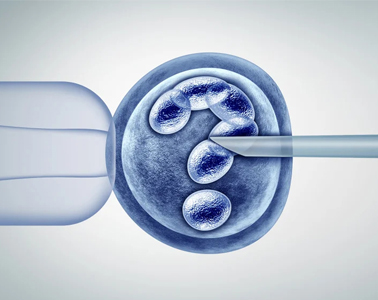
    2. lntracytoplasmic Sperm lnjectjon (ICSI): This IVF procedure uses a single sperm injection into the egg's cytoplasm to increases chances of fertilization. When there are serious problems with male factor infertility or when there have been unsuccessful prior IVF cycle, it is used.

  • Surgery: Surgical procedures may be advised when structural abnormalities or disorders such as C'terine fibroids, polyps, or adhesions are found to be the root of infertility. Hysteroscopy (to remove polyps or fibroids) and laparoscopy (to treat endometriosis or clear obstructions) are two procedures that can assist fertility.
  • Intrauterine Insemination (IUI): IUI entails injecting processed good quality sperm into the uterus right around time of ovulation. When there are problems with sperm quality or cervical factors that interfere with conception, it is frequently employed.
  • Donor Eggs or Embryos: Utilising donor eggs or embryos is a possibility for women who have a reduced ovarian reserve, early ovarian failure, or other problems that impact the quality or quantity of eggs. The partner's sperm is used to fertilise the donated eggs and form embryos in this situation embryo formed is transfer to the woman's uterus.
  • Prescription Drugs or Treatments for Particular Conditions: Depending on the underlying reason for infertility, particular drugs or treatments may be recommended. For instance hormonal drugs may be used to treat thyroid issues.

The exact reason for infertility, age, general health and personal preferences are only a few of the variables that might influence the therapy option. To form individualised treatment plan based on couple's profile. Fertility Specialist consultation is very much required.

Conclusion

It's crucial to remember that infertility can have a variety of contributing factors and occasionally the explanation is still unclear despite careful examination. A fertility expert provide necessary diagnostic and therapentic option to enjoy pregnancy for infertile couples.