
What is semen?
When a man engages in male sexual activity, especially ejaculating, semen is ejected from the penis. It consists of sperm cells, seminal fluid, and other male reproductive system fluids.
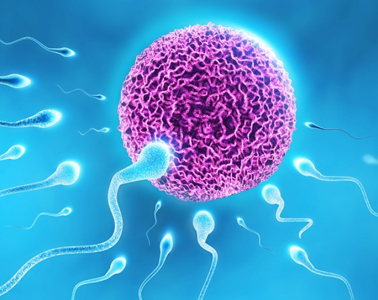
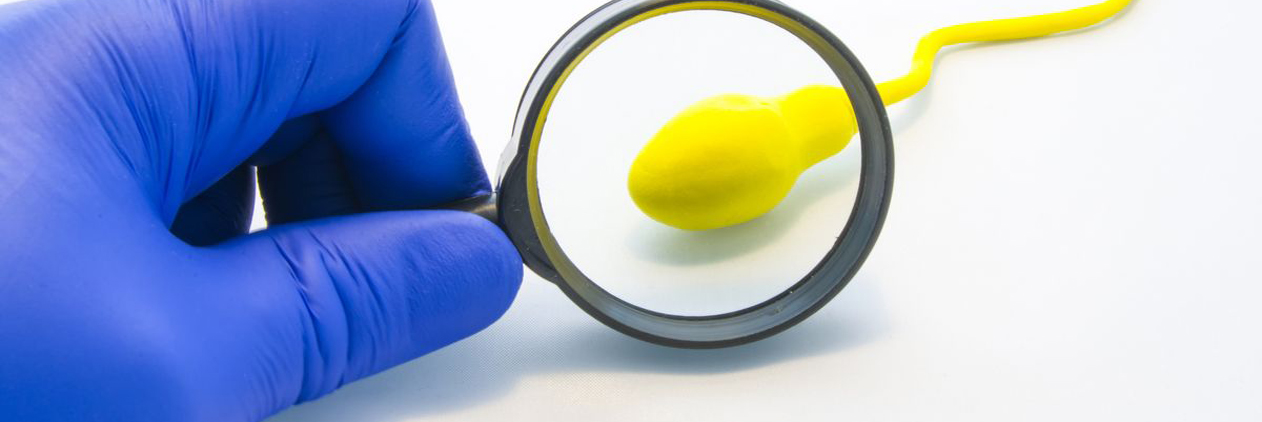
The male reproductive cells called sperm cells, sometimes called spermatozoa, are in charge of fertilising the female egg during sexual reproduction. Spermatogenesis, a process in the testes that produces them, is how it happens. Sperm cells have a distinctive tail (flagellum), which allows them to move toward the egg despite their small size.
Semen plasma, also known as seminal fluid, is a fluid that provides sperm with a nutritious and secure habitat. The prostate gland, bulbourethral glands, and seminal vesicles are only a few of the male reproductive system's accessory glands that generate it. The nutrition, enzymes and other components found in seminal fluid help sperm survive and operate properly.
Male reproductive muscles flex to force sperm and seminal fluid out of the penis and into the urethra during ejaculation. Semen can vary in size, consistency and appearance from person to person, although the normal range is 2 to 6 millilitres per ejaculation.