Bringing Science To Life!

NABH Accredited

Blog

Home About Us Blog

WHAT ARE THE TREATMENT OPTIONS FOR MEN WITH LOW SPERM COUNT?

blog

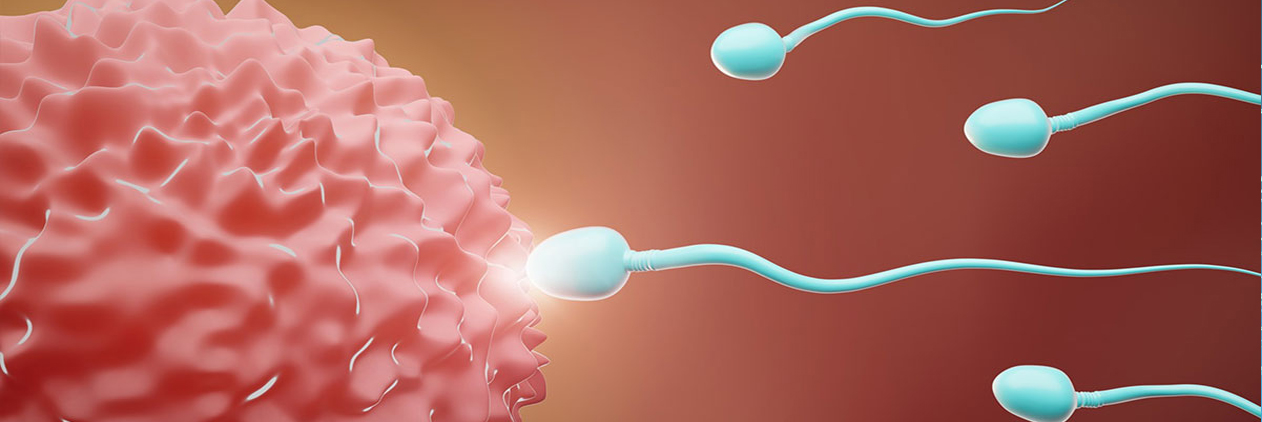
Despite being small, sperm constitute 50% of what causes reproduction. Only one of the cells qualifies to start a life out of the millions of sperm produced by males daily.

What is sperm?

A testicle's seminiferous tubules, which are part of the male reproductive system, produce sperm. The DNA for a new person is located in the sperm's head, where it attaches to the DNA from the egg. The sperm head's acrosome, which is located at the tip and helps it enter the egg, is what allows sperm to fertilise an egg. The mitochondria, which provide the energy required by the tail to move, are located in the midpiece. To drive the sperm toward the egg, the tail makes whip-like motions back and forth.

What does a low sperm count mean?

The sperm count in males is dropping worldwide, which is a matter of concern. A well-known epidemiologist conducted a study on roughly 43,000 men, and the revelation was shocking. According to the data, there are now significantly fewer sperm per millilitre of semen than there were in 1973.

Low sperm count, also known as oligospermia, is a condition where a man's semen has fewer sperm cells than is typical. When the sperm count drops below a certain threshold, which is commonly outlined as having less than 16 million sperm per millilitre of semen.

Sperm count is just one of several elements that affect male fertility. It's important to remember, though, that even men with a low sperm count can still father a child since only one sperm is required to fertilise an egg. Nevertheless, a reduced sperm count might decrease a couple's chances of conceiving and may call for medical attention.

Sperm count is calculated via a thorough semen analysis that is done in a laboratory test. Further testing may be required if a man's sperm count is found to be low to rule out underlying issues like hormonal imbalances, genetics, testicular problems, varicoceles (enlarged veins in the scrotum), infections, specific medications, or lifestyle factors (such as smoking, binge drinking, drug use, etc.).

It is crucial to remember that a single low sperm count test may not signify a recurring issue. The number of sperm in a particular sample can be impacted by things including sickness, stress, recent ejaculation, and method of collection/spillage.It is often advised to repeat tests after sometime to confirm the diagnosis of low sperm count.

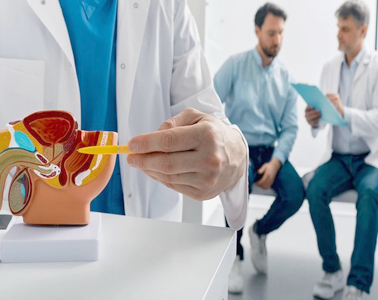
A fertility expert or urologist should be consulted if low sperm counts continue to determine the underlying reason and consider available treatment options. A low sperm count reduces the likelihood that one of your sperm will successfully fertilise your partner's egg and cause conception. However, many men with low sperm counts are still able to become parents.


What is fertility treatment?

The following steps are usually involved in IVF:

  • Ovulation Stimulation: The woman takes drugs to induce ovulation, which causes her ovaries to produce more eggs than the monthly average.
  • Egg Retrieval: When the eggs are ready, a quick surgical operation is done to remove them with a small needle from the woman's ovaries.
  • Sperm Collection: Either the male partner's or a sperm donor's sperm is used.
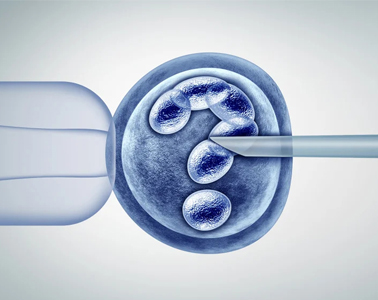
  • Fertilisation: In a lab dish, the recovered eggs and sperm are mixed. Through a process known as intracytoplasmic sperm injection (ICSI), the sperm can either be added to the eggs or injected directly into them.
  • Embryo culture: To allow the fertilised eggs (embryos) to mature, they are observed and cultivated in a controlled environment for a few days. A healthy embryo or several of them are chosen for placement into the woman's uterus during the embryo transfer procedure. This is a reasonably straightforward surgery that is frequently done without anaesthesia.
  • Pregnancy Test: To assess if the IVF process was effective, a pregnancy test is performed after a particular amount of time.

Who needs to go in for the IVF procedure?

Several reasons for infertility, such as difficulties with the fallopian tubes, low sperm counts, ovulation troubles, endometriosis, and unexplained infertility, may be treated with IVF. Additionally, it is used after other reproductive therapies have failed.

FYI: We can provide you with some broad information regarding the success rates and efficacy of IVF. However, you need to understand that these numbers may have changed; therefore, for the most recent data, verify with more recent and reliable sources.

The quality of the eggs and sperm, the clinic's procedures, the woman's age, and the underlying reason for infertility are some of the variables that affect IVF success. For an IVF pregnancy to be successful, you will need to be prepared to spare time and money, as several rounds may be needed.

IVF success rates can vary greatly based on a number of variables, such as the woman's age, the reason for her infertility, the clinic's experience and protocols, and the particular techniques employed. The success rates of younger women are often greater than those of older women.

The following age-based IVF success rates are approximations:

  • IVF success rates by age: Within three IVF rounds, two of every three women who start IVF before the age of 35 become pregnant. Women under the age of 30 had a 44% probability of getting pregnant after their first cycle. Their chances rise to 69–92% after seven cycles. An 11% possibility of becoming pregnant following the first IVF round exists for women between the ages of 40 and 44.
  • IVF success rates for 35 to 37 year-old women: The success percentage of IVF in women between the ages of 35 and 37 utilising their own eggs is 40.8%. Based on the first embryo transfer, 31.6% of pregnancies are live. The proportion of live births rises to 44.7% for embryo transfers two days or later.
  • IVF success rates for 38 to 40 year-old women: The success rate is 26.8% for women aged 38 to 40, a significant decrease from 35 to 37 years of age. In this group of women, a live delivery occurs after the initial embryo transfer in 22.3% of cases. The second or later embryo transfers in this group of women result in a live delivery for 40.9% of them.
  • IVF success rates for women above 40 years of age: The success rate of IVF for women over 40 is roughly 7%, with women under 42 having a greater success rate than those over 42. Women over 40 may choose to use donor eggs in several circumstances. When using donor eggs, the age component of pregnancy success is eliminated, concentrating the reproductive power of the IVF procedure on the mid-20s egg donor.

Why does IVF success drop as people get older?

Both the quantity and quality of a woman's eggs tend to decline with age. This might lead to poor embryo quality, which reduces the likelihood of successful implantation inside the uterus.

It's vital to keep in mind that these percentages are approximations and may change depending on unique characteristics and clinic-specific conditions.

The following are other variables that may affect IVF success rates:

  • The reason for infertility: Some causes of infertility, such as tubal or male factor infertility, might affect the likelihood of pregnancy.
  • Number of transplanted embryos: While transferring more than one embryo might enhance success rates, it also raises the danger of multiple pregnancies.
  • Egg and embryo quality: Success rates for IVF treatments can be strongly impacted by the quality of the eggs and embryos used in the procedure.
  • Reproductive history: The success of IVF might be impacted by prior pregnancies and losses.

A fertility specialist should be consulted, and you should look up the most recent data from reliable sources or fertility clinics in your region. Keep in mind that success rates can also be impacted by improvements in IVF technology and procedures.

Conclusion

IVF has aided in the conception and birth of children for millions of couples and individuals worldwide. It's crucial to speak with a fertility professional to ascertain whether IVF is a viable choice for your particular circumstances and to get support during the procedure.

It is suggested that you contact fertility centres, medical groups, and governmental health organisations that collect and report these numbers for the most recent and reliable information on IVF success rates.