

In vitro fertilization (IVF) has given hope to many couples struggling with infertility, but it doesn't guarantee success. Understanding the reasons for IVF failure can help manage expectations and prepare for future cycles. Here are some top reasons why IVF may not succeed:
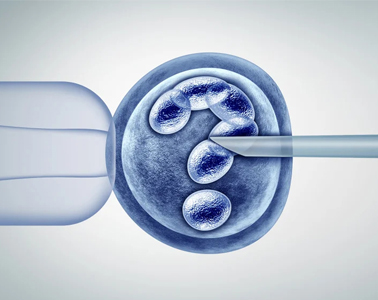
- Embryo Quality: The quality of embryos is one of the most critical factors in IVF success. Poor-quality embryos may not develop properly after being implanted in the uterus, leading to failure. Chromosomal abnormalities are a common cause of poor embryo quality, making it difficult for the embryo to develop into a healthy pregnancy.
- Age of the Woman: Age significantly affects fertility, particularly for women. As women age, the quantity and quality of their eggs decline. Women over the age of 35 are more likely to have eggs with chromosomal abnormalities, which can lead to lower success rates in IVF.
- Ovarian Response: Some women have a poor response to the medications used to stimulate the ovaries to produce multiple eggs. This can result in fewer eggs being retrieved during the IVF process, reducing the chances of fertilization and the availability of embryos for transfer.
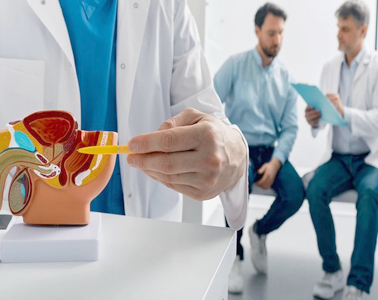
- Implantation Issues: Even when healthy embryos are available, they must successfully implant into the uterine lining to result in a pregnancy. Various factors can affect implantation, including the thickness of the uterine lining and the presence of conditions like endometriosis or fibroids, which can make it harder for the embryo to attach.
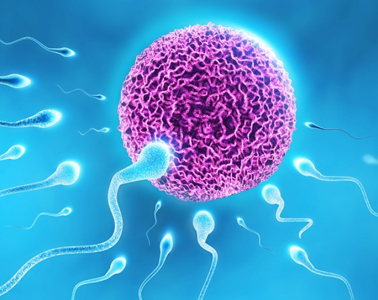
- Male Factor Infertility: Male factor infertility can also contribute to IVF failure. Issues such as low sperm count, poor sperm motility, or abnormal sperm shape can affect fertilization and embryo quality. In some cases, Intracytoplasmic Sperm Injection (ICSI) is used to improve fertilization rates, but success still depends on sperm health.
- Genetic Factors: Genetic abnormalities in either partner can lead to IVF failure. Preimplantation genetic testing (PGT) can identify chromosomally normal embryos, increasing the chances of a successful pregnancy. However, not all genetic issues are detectable, and they can still impact the outcome.
- Lifestyle Factors: Lifestyle factors such as smoking, excessive alcohol consumption, obesity, and stress can negatively impact fertility and IVF success. These factors can affect both egg and sperm quality, as well as the overall health of the reproductive system.
- Underlying Medical Conditions:Certain medical conditions, such as polycystic ovary syndrome (PCOS), thyroid disorders, or autoimmune diseases, can interfere with the success of IVF. These conditions may need to be managed carefully during the IVF process to improve outcomes.
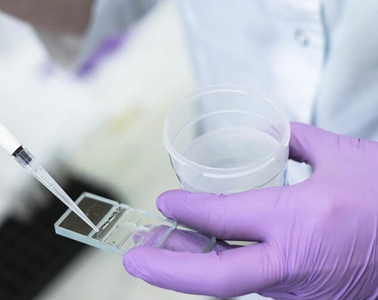
- Laboratory Factors:The success of IVF also depends on the conditions in the laboratory where eggs and sperm are combined. Factors like culture medium quality, temperature, and handling techniques can impact embryo development. While these factors are usually controlled carefully, any variation can affect the success rate.
- Unexplained Infertility:Sometimes, IVF fails even when all known factors seem favorable. Unexplained infertility, where the cause of infertility is not identifiable despite thorough testing, can be particularly challenging. This uncertainty can make it difficult to predict or improve IVF outcomes.